
Table of Contents
Key Highlights
- Effective motivational strategies for students include setting achievable goals and providing regular feedback.
- Implementing motivational strategies for students can significantly enhance their academic performance and engagement.
- When students think they can get better with hard work and effort, they’re more eager to learn. This is because of something called a growth mindset.
- Group activities and collaborative projects are excellent motivational strategies for students to develop teamwork skills.
- By forming strong relationships with them, we make the learning environment nicer and more supportive.
- Letting students look back on their progress and set future goals boosts their drive to learn.
- Reward systems, such as praise and recognition, are powerful motivational strategies for students.
- Encouraging a growth mindset, letting students learn from each other, and using technology also help increase motivation.
- Giving students some control over how they learn, creating strong bonds between teachers and learners, making lessons relevant to real life, and adding elements of gamification keeps them motivated.
Getting students motivated is super important for teachers because it really helps with how much students get involved and do well in school. But, sticking to the usual ways of motivating them like grades, tests, and giving out rewards might not keep them motivated for long. To really keep their motivation going strong, teachers often incorporate motivational strategies for students to foster a positive learning environment.
A big thing that can help motivate students is teaching them about having a growth mindset. This means showing them that if they put in effort and work hard, they can get better at anything they’re learning. Utilizing new approaches and strategies that promote motivation, such as encouraging persistence and trying different methods, can also play a significant role in student learning.
Having good relationships with your students also matters a lot when you want to create an atmosphere where everyone feels pumped up to learn. When kids feel appreciated and connected with their teachers, they’re more likely to pay attention and be eager learners.
It’s also helpful when you encourage kids to think about what they’re learning themselves by setting goals and looking back at how far they’ve come; this makes them take charge of their education journey more seriously which boosts motivation even further!
Using reward systems cleverly so it’s not just about getting something from the outside but feeling good on the inside too works wonders as well as giving feedback that shows what’s working or needs improvement without making anyone feel down.
Bringing into play different tactics such as encouraging teamwork among peers, using tech tools during lessons effectively promoting independence while studying building solid connections between teacher-student ensuring content taught has real-world links, or adding elements of game-like challenges could all add up significantly towards enhancing student enthusiasm towards studies
By putting these teaching strategies for motivation into action educators have a great chance at creating both classroom environments & overall educational book experiences where every kid feels inspired & driven enough to aim high achieving greatness within themselves.
15 Effective List of Motivational Strategies for Students

Motivation is a crucial factor in student learning and academic success. As educators, it is essential to employ various strategies for motivation in the classroom to keep students engaged and inspired to learn. Getting students to feel motivated isn’t easy because it involves many different strategies.
This comprehensive list of motivational strategies in the classroom covers a wide range of motivational techniques for students, from fostering a sense of ownership to incorporating technology-based approaches. These strategies to motivate students in the classroom can be tailored to different age groups, including motivation strategies for elementary students.
By implementing these proven examples of motivational strategies in the classroom, teachers can create dynamic and motivational strategies to be used in classroom teaching that enhance strategies for enhancing motivation in learners and ultimately lead to improved academic outcomes.
Explore this list of strategies to enhance motivation in the class and discover effective strategies to increase student motivation that can be seamlessly integrated with strategies teachers use to motivate students.
Here are 15 ways teachers can make learning more engaging and motivate their students:
1. Setting Achievable Goals
When students set clear goals they think are reachable, it really helps them get motivated to work hard. Teachers can guide them to make these goals SMART – specific, measurable, achievable, relevant, and with a deadline.
With the right expectations and help from teachers, students start feeling in charge of their own learning journey and push themselves more. Seeing themselves getting closer to their targets and achieving high expectations makes them more eager and builds up their confidence big time.
2. Creating a Continuum Positive Learning Environment

To get students really into their studies, it’s super important to make the classroom a place where they feel good. When kids know they’re in a safe spot, that people have got their backs, and that they matter, you’ll see them dive deep into learning.
Teachers play a big role here by ensuring everyone feels like part of the team, encouraging teamwork, and getting everyone involved. Throwing in some fun activities and creative stuff makes everything even better. If students actually enjoy what’s happening and aren’t scared to try new things, you bet they’re going to want to do well.
Creating a supportive and inclusive classroom atmosphere is among the key motivational strategies for students. With this approach focused on building positive relationships among everyone there ensures every step of the learning process is engaging within such an inviting learning environment.
3. Encouraging Self-Reflection Competence
Encouraging self-reflection and self-assessment are vital motivational strategies for students to develop autonomy in learning. By giving students a chance to think about their own learning, teachers can really motivate them. When students get the opportunity to look back on what they’ve learned and figure out what they’re good at, what needs work, and how they can get better, it helps them understand themselves more.
This understanding leads to students getting more involved and taking charge of their own learning. Teachers can help with this by adding activities like writing in journals, checking in on how they’re doing themselves, and making plans for reaching their goals in their lessons. With these reflections and goal-setting efforts, students find the drive to reach those goals because now they see it’s up to them.
4. Implementing Reward Systems
Using reward systems can really help get students excited and motivated. With rewards, you’ve got two types: the ones you can see like certificates, prizes, or getting recognized in some way; and then there’s the kind that makes you feel good inside because of what you’ve achieved or how much you’ve grown personally.
When teachers make a big deal out of what students do well by giving these rewards, it encourages kids to keep trying hard and aiming for their goals. But it’s super important to find a good mix between those visible rewards and the feel-good-inside ones because leaning too much on stuff like prizes might make students less interested in learning for learning’s sake.
The whole idea is to design reward systems that push students to put in effort, notice how far they’ve come along, and grow more than just looking at final scores or outcomes.
5. Providing Constructive Feedback With Relatedness
Giving students regular feedback that’s clear, doable, and centered on their hard work and progress is key to keeping them motivated. When they get this kind of guidance often, it helps them see what they’re good at and where they need to get better daily. This way, students can really take charge of how they learn.
Teachers have a few ways to do this: writing notes, talking one-on-one, or letting classmates review each other’s work. By pointing out how much a student has improved and giving tips for getting even better, teachers encourage kids to keep pushing themselves forward in their learning journey.
6. Fostering a Growth Mindset
By encouraging students to adopt a growth mindset, teachers are really opening up a world of motivation for them. This idea comes from Carol Dweck, who tells us that our skills can grow with hard work, persistence, and some serious dedication. It’s about getting students to see that being smart or talented isn’t just something you’re born with; it’s something you can develop if you put in the effort and learn from your experiences.
With this kind of thinking, challenges become things to tackle head-on instead of running away from. Mistakes? They’re just stepping stones on the path to getting better at something. And when stuff gets tough? That’s not the time to give up but rather an opportunity to stick it out and keep going.
In classrooms where this mindset is encouraged, teachers help kids reflect on their own learning journey—celebrating not just when they get things right but also how much effort they’ve put in along the way—and reminding them constantly how important persistence and hard work are in reaching success.
7. Encouraging Peer Learning
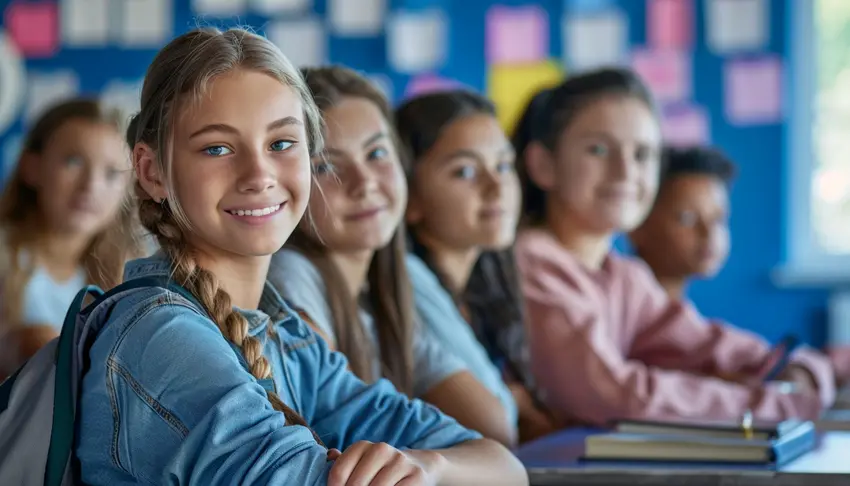
By getting students to learn together in small groups, we’re onto something really good. It’s like when you team up with your friends to figure out a puzzle; everyone gets a chance to chip in and help each other out. This way of learning keeps everyone involved, makes them think harder, and helps solve problems better. Plus, it feels great because you feel like you belong to a team right there in the classroom.
Teachers can make this happen by setting up things like group projects or discussions where everyone has to work together. When students share what they know and how they see things with their classmates, it creates a friendly and encouraging place for learning activities that benefit everybody.
8. Integrating Technology in Learning
Incorporating technology in lessons can be one of the most engaging motivational strategies for students. With tech, lessons can become more interactive and fun, which makes everything we’re trying to learn feel more relevant and interesting.
Teachers have a bunch of tools at their disposal like educational apps, online games that simulate real-life problems, virtual reality experiences, and videos or slideshows they can use during class. By weaving these technologies into learning activities, it’s easier for us to dive deep into our curiosity and creativity while studying different subjects.
This approach not only grabs our attention but also meets us where we are in terms of what we need to learn best since everyone learns differently. Plus, using technology means teachers can make the learning process tailor-made for each student’s needs which keeps all of us more involved and eager to learn.
9. Promoting Autonomy in Learning
Personalized learning plans tailored to individual needs are effective motivational strategies for students. When teachers let students make their own choices in what they learn and how they do it, it really helps them get into their studies.
By giving kids the chance to pick topics, decide on activities related to learning, or even control how fast and deep they go into a subject, you’re basically telling them they’re in charge of their own learning journey.
This way, students feel like they have more power over what’s happening – this sense of control is key. It makes them want to take responsibility for their education because it feels more personal and important to them.
So focusing on these motivation methods for students that boost a student’s ability to manage their own learning process effectively increases both motivation and engagement significantly, promoting a sense of autonomy, competence, and relatedness in their learning.
10. Building Strong Relationships with Students
Creating a bond with students plays a key role in getting them excited about learning. When kids feel like their teachers really care, understand them, and are there to support them, they dive deeper into their studies.
By taking a genuine interest in what’s going on in their lives, listening carefully to what they have to say, and being there for them emotionally when times get tough, educators can forge these important connections.
With a classroom atmosphere that’s welcoming and supportive—where it’s okay to try new things without fear of failure—students feel more comfortable and connected. This kind of positive relationship between students and teachers makes students want to do well and be more involved in the learning process.
11. Making Learning With Relevance Methods
When teachers connect what’s being taught in class to the real lives of their students, it really grabs their attention. If students can see how what they’re learning ties into their own likes, experiences, and dreams, they’ll want to learn more.
To do this well, educators should bring in examples from outside the classroom that resonate with student interests or let them see things from different viewpoints. They could also give kids chances to use what they’ve learned in real-life scenarios that are relevant to their own lives.
This approach not only makes lessons more interesting but also shows students why what they’re learning matters. By focusing on how useful and meaningful these lessons are, teachers help students understand the importance of education which boosts their desire to keep learning and stay involved throughout the learning process because everything feels more relevant.
12. Incorporating Gamification For Learners

Adding game-like elements into the learning process can really help in getting students more excited about their studies. Gamification means bringing in bits from games, like having competitions, giving out rewards, and setting up challenges to make studying fun and interesting.
Teachers can do this by creating educational games using platforms that are already made for game-based learning, or even by mixing these gaming parts into lessons they’re already teaching. By introducing a bit of excitement, enjoyment, and some healthy competition among students through gamification techniques educators can connect with the natural way kids love to play which boosts their eagerness to learn.
Plus, gamification gives quick feedback and prizes which makes student engagement even stronger along with keeping them motivated.
13. Highlighting Real-World Applications
When teachers focus on how stuff we learn can be used in the real world, it helps us see why what we’re learning matters. By connecting what’s taught with actual situations outside of school, our interest and understanding get a big boost.
Seeing examples of how to use this knowledge in everyday life makes us want to work harder and really dive into the subjects. It’s not just about memorizing facts anymore; it becomes about getting truly interested because we see its relevance firsthand, sparking that inner drive to learn more.
14. Offering Choices in Assignments
Giving students the chance to choose their assignments is a great way to boost student motivation. When they can pick from various options, it makes them feel more in charge of their own learning. This kind of freedom really helps spark intrinsic motivation because students get more into what they’re doing.
Tailoring tasks so they match up with each person’s likes and strengths means everyone’s more engaged and eager to do well. Plus, it gives them a real sense of ownership over how they’re moving forward in their learning process, making sure they take responsibility for their own motivation and progress.
15. Celebrating Achievements and Milestones
When we take the time to celebrate what students have done, it really helps them feel good about themselves and keeps them motivated. It’s like saying their hard work has paid off, which makes them want to keep going. By showing that we see how far they’ve come, kids understand that they’re important and this pushes them forward.
This kind of support not only builds up their confidence but also fills them with pride over their own learning journey. Celebrations can be anything from getting a certificate to being clapped for in class or even getting a special shout-out; all these acts contribute to making the learning environment more supportive and positive.
Understanding the Psychology Behind Motivation
Getting why motivation matters is key for teachers to really connect with and light a spark in their students. By digging into what makes students tick, educators can shape the way they teach and make a space where student engagement and success bloom.
With motivation, there are two big ideas that teachers need to get: intrinsic motivation and extrinsic.
- Intrinsic motivation comes from inside you – it’s all about doing something because it feels right or interesting, not because someone told you to. It’s fueled by personal interest, curiosity, and feeling skilled.
- Extrinsic motivation is when outside rewards like grades or compliments push you to do something.
Studies tell us that being motivated from within tends to stick around longer and pushes students deeper into learning than external rewards do. When kids want to learn for the joy of it, they’re more likely to keep at it even when things get tough and fall in love with learning forever.
So teachers should aim at making lessons meaningful directly connecting them with what interests their students while giving them choices promoting feelings of skillfulness and greater motivation.
On top of understanding these motivation types, expectancy theory plays its part too. This idea says we dive into tasks thinking our hard work will pay off through good results or other benefits. Students feel driven if they see how trying hard leads somewhere great.
To help this along, educators can set clear goals, give support along the way, and encourage a growth mindset, all of which contribute to the satisfaction of basic psychological needs. Understanding the psychology behind motivation, specifically through the lens of Self-Determination Theory, is crucial for educators to effectively motivate their students.
By wrapping their heads around what drives student effort educators have a powerful tool They can craft an educational journey that pulls every learner in helps grow passion for knowledge ensures everyone reaches high
The Role of Intrinsic vs Extrinsic Motivation

Two main kinds of motivation really matter when it comes to how students get into their studies and do well. One is called intrinsic motivation, and the other is extrinsic motivation. People usually think intrinsic motivation does a better job of keeping students interested for a longer time.
With intrinsic motivation, it’s all about what feels good on the inside. Students dive into their work because they’re genuinely curious or find it fun, not because they’re chasing after some reward. This kind of drive makes them want to take charge of their learning journey, stick with tough problems until they figure them out, and keep loving to learn new things throughout life.
The rewards here aren’t stuff you can touch or see; instead, they feel proud of what they’ve achieved or just happy about doing something well. Intrinsic motivation is also strongly linked to student performance and achievement, making it a crucial factor in academic success.
On the flip side, extrinsic motivation has more to do with getting external goodies like grades or compliments from others—or even physical prizes—that encourage students to pay attention or try hard in class. It might work okay for getting kids moving at first but doesn’t tend to help much with making sure those same kids stay truly involved over time.
For teachers wanting more of that strong inner drive in their classrooms—where kids are eager learners mostly because topics click with personal interests—they should look at ways that make lessons personally interesting for each student by letting them have choices where possible and ensuring everyone gets why what’s being taught matters right now as well as down the road.
Focusing on building up this type of enthusiasm among pupils through recognizing individual achievements no matter how small (which boosts feelings of competence) alongside providing joy-filled educational experiences whenever feasible ensures an environment ripe for fostering lifelong seeker’s knowledge-driven primarily internal desires succeed rather than merely collecting outward signs of success.
How Expectancy Theory Influences Student Motivation
Expectancy theory is all about how people decide to do something because they think their hard work will pay off with good results or rewards. It’s like when you’re more likely to put effort into a project if you believe it’ll lead to success.
With education, the importance of implementing strategies to motivate and engage students is crucial for keeping students motivated and on track for success. If students feel that putting in the effort will help them do well academically, grow personally, or achieve other great outcomes, they’re going to be more eager to dive into learning activities and keep going even when things get tough.
Understanding how expectancy theory influences student motivation can help educators develop effective strategies that promote motivation and ultimately lead to academic success.
For teachers looking after these students’ motivation levels can make a big difference by setting clear goals and expectations right from the start. By offering support along the way and giving feedback that matters, teachers can boost students’ confidence in reaching those goals.
In classrooms where expectancy theory is understood and applied effectively by educators create an environment where learners are encouraged not just to dream big but also to take charge of their journey toward achieving those dreams despite obstacles.
Strategies for Remote and Hybrid Learning

As we move more into learning from home or a mix of home and school, teachers need to think about ways to keep everyone motivated. Learning this way can be tough because you don’t get to see your classmates or teacher much, and you have to manage your own time. But there are some cool things teachers can do.
For starters, keeping classes interesting online is key. Strategies a teacher can use to motivate students in class using fun tools and websites that let us talk with each other in class discussions, work on projects together even when we’re apart, and check out videos or interactive stuff that makes the topic come alive.
Also, being clear about what they expect from us, setting goals we should aim for, and giving feedback often helps students like me stay focused. It is important for instructors to clearly outline these expectations and goals in the syllabus, which should be delivered at the start of the semester for remote and hybrid learning. This will give students a clear understanding of what they will learn and how to perform well in the class.
Another big thing is using technology smartly since there’s so much out there designed just for online learning. Things like virtual labs where you feel like you’re right in the action or apps where we all create something as a team make everything feel less lonely.
By doing these things well—keeping our interest up through interaction during lessons; helping us understand how our work fits into bigger goals; and making sure tech isn’t just fancy but actually useful—teachers help ensure our learning process doesn’t hit pause while at home.
This approach not only keeps student engagement high but also enriches our overall learning experience with regular feedback guiding us along the way.
Maintaining Engagement in Virtual Classrooms
In the world of online learning, keeping students interested and involved is key to making sure they do well. When learning from home, students might get distracted easily, miss being physically present with others, and feel lonely.
These things can make it harder for them to stay focused and eager to learn. However, maintaining engagement in virtual classrooms is crucial for student success. Teachers have a variety of strategies to help keep their students engaged and motivated.
For starters, using interactive tools that get students talking and working together can really help. Teachers could set up chats for class discussions or group projects online which makes lessons more fun and lets everyone work together even though they’re apart. This kind of active participation helps keep the classroom vibe alive digitally.
On top of that, giving feedback regularly matters a lot when it comes to student motivation and how much they learn from each lesson. If teachers take the time to point out what’s going right and where improvements are needed in a timely way—like through comments on assignments or during video calls—it shows students exactly where they stand and how they can get better.
Creating a community feeling within an online class also plays a critical role in keeping everyone connected and invested in their classes Together activities like team projects or chat-based debates encourage chatting among classmates which builds bonds despite physical distances
By putting these methods into practice educators not only boost student engagement but also ensure learners remain motivated throughout their journey in virtual classrooms
Tools and Platforms That Support Online Learning
Technology is super important when it comes to online learning. It really helps make students more interested and motivated. There are a bunch of different tools and platforms out there that can help create virtual classrooms, making the whole learning process more fun and interactive.
For starters, video conferencing software like Zoom or Google Meet is awesome for connecting teachers with their students in real time. With these platforms, you can have live discussions, and lectures, and even do group work together.
They’re great because they let you share your screen with everyone else, break off into smaller groups for projects using breakout rooms, and use digital whiteboards so everyone can collaborate as if they were right next to each other.
Then there’s something called Learning Management Systems (LMS), such as Google Classroom or Canvas. These are basically one-stop shops where teachers can put all their course stuff like materials, assignments, and tests.
Plus, LMSs make talking between teachers and students really easy, not to mention keeping track of how well everyone’s doing in class and giving feedback quickly.
Besides video calls and LMSs, there are loads of other cool online tools and resources that can make learning even more engaging. For example, virtual interactive apps and some multimedia resources can give students a hands-on experience with what they’re studying.
By bringing all these tools together in an online setting, teachers create a classroom that’s not only fun but also keeps students involved. By doing this, kids are more likely to stay focused and enjoy their virtual classrooms.
Frequently Asked Questions
How Can Teachers Motivate Uninterested Students?
Getting students who seem uninterested to care about learning can be tough, but it’s definitely doable if you use the right approach. A big part of making this happen is by really caring about what’s going on in their lives and linking that to what they’re supposed to learn.
On top of that, using hands-on experiences and activities related to learning can really help boost their interest and involvement in class, as well as encourage close attention to the material.
What Role Does Goal Setting Play in Student Motivation?
Setting goals is super important for keeping students motivated. When they know what they’re aiming for, it gives them a clear purpose and direction. With these targets in mind, students tend to stay more focused and driven, working hard to reach success.
How Can Parents Contribute to Their Child’s Motivation?
Parental involvement is crucial in reinforcing motivational strategies for students outside the classroom. By getting involved and offering their support, parents play a big role in boosting their kid’s drive to learn.
This means taking an active interest in what they’re learning about, making sure there’s a good setup at home for them to study and feel supported, cheering them on giving them props for their efforts, and working together with the teachers. All these actions combined help make the whole learning process smoother and more encouraging for kids.
Are Rewards Always Effective in Motivating Students?
Giving rewards can help get students motivated at first, but it might not be the best way to keep them going in the long run. Studies show that being motivated from within is stronger and lasts longer than motivation that comes from outside rewards.
So, it’s key to mix up giving rewards with other ways of motivating that tap into what really interests students, like making sure what they’re learning feels important and relevant to them.
How to Adapt Motivational Strategies for Different Age Groups?
Strategies used by teachers to motivate students to fit different age groups are key to achieving success. For the younger crowd, getting their hands dirty and being part of interactive activities can really help them learn better.
On the other hand, older students might find setting goals and learning on their own more appealing. It’s essential to think about what each age group needs and likes when coming up with ways to motivate them.
Conclusion
Motivation plays a crucial role in helping students succeed. When we talk about making sure students do well, it’s important to focus on things like setting goals they can actually reach, encouraging them to believe they can grow and get better, and celebrating their wins along the way.
By getting why motivation matters so much, teachers can come up with ways that really work for each student and fit the place where they’re learning. With classes happening online or in a mix of ways now, keeping everyone interested through tech and approaches that feel personal is key to keeping motivation high.
It’s not just on teachers; parents and students have a big part in making the learning environment one where everyone feels driven to do their best.
- By understanding each student’s interests, educators can tailor lessons that spark curiosity.
- Setting clear goals helps students know what they’re aiming for, making the journey more meaningful.
- Offering feedback regularly lets students see their progress and areas for improvement.
- Encouraging a growth mindset teaches them that effort leads to success, not just natural talent.
- Making learning interactive through group work or technology keeps things interesting.
- Recognizing achievements, big or small, boosts confidence and motivation.
- Providing choices in how tasks are completed gives students a sense of control over their learning.
These motivation interventions for students can help boost student motivation. I’d love to hear your thoughts on these ideas – your insights could inspire others to find new ways to motivate learners throughout their educational journey